Moldova seeks to turn waste into an economic resource
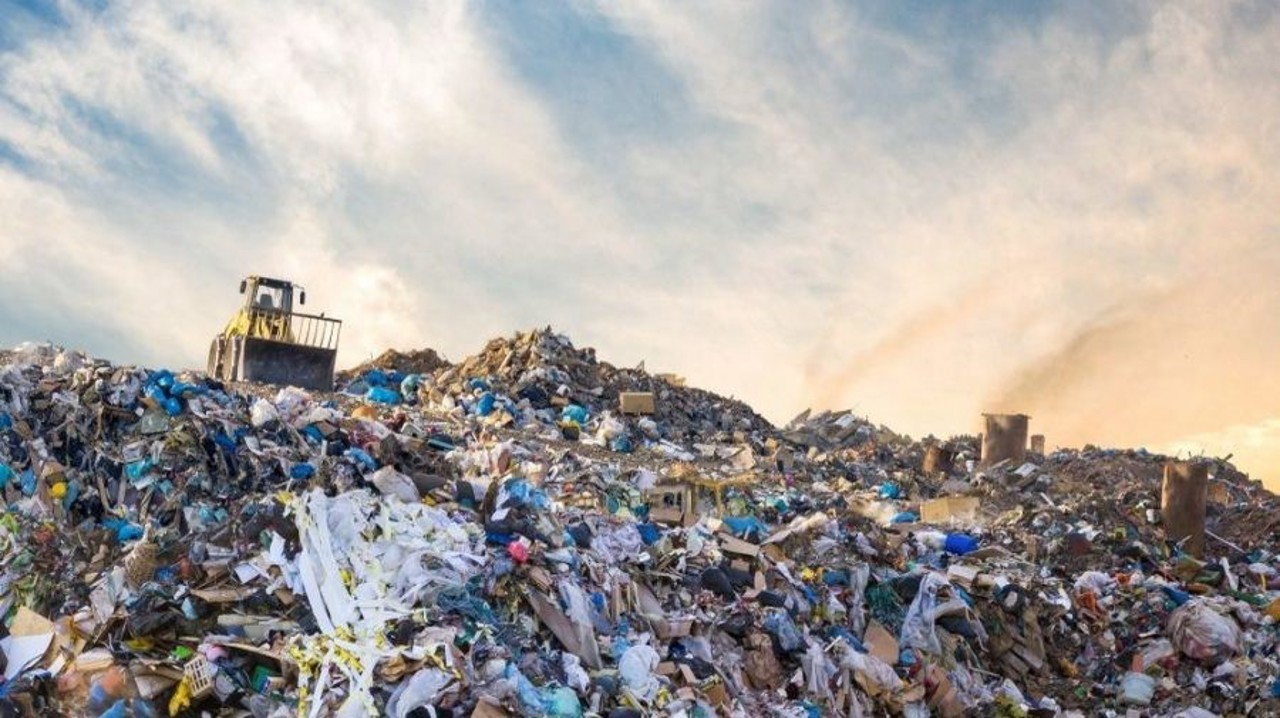
Moldova has secured funding and amended legislation to modernise waste management, but projects are progressing slowly as experts say authorities, businesses and households still treat waste as something to discard rather than a resource.
Waste management requires an economic mindset
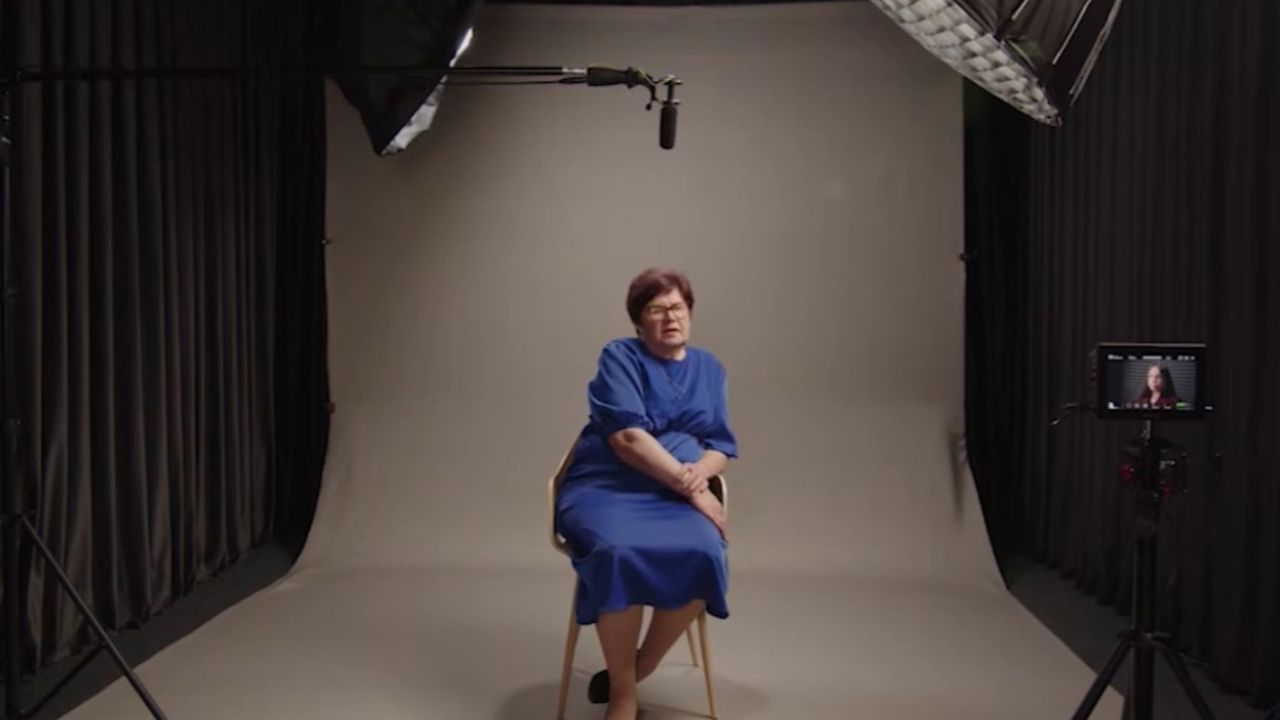
Former Environment Minister and green economy expert Iuliana Cantaragiu says Moldova has already taken steps to develop waste management infrastructure, including securing funding and amending legislation. However, implementation remains slow.
“We can talk about infrastructure investment and other measures. Those are already in place. There are opportunities, and the state has secured funding for this purpose. We have signed agreements, but progress is very slow. We hope it will accelerate, and we have also amended the legislation,” Cantaragiu said in an interview with Moldova 1’s Banii programme.
She believes one of the main obstacles is the failure to recognise waste management as an economic activity capable of generating value.
“Things probably move slowly when you do not see this as an opportunity. When you look at it as an economic project, you realise that is exactly what it is. It is not simply an environmental cause; it is an economic project. You start seeing waste as a resource,” she said.
Food waste generated by canteens, agricultural markets and restaurants is one example of material that could be recovered instead of being discarded with mixed household refuse.
Landfills remain the dominant approach
Cantaragiu says the challenges go beyond funding and infrastructure. Public attitudes towards waste disposal and the costs associated with collection, sorting and treatment also play a significant role.
“The issue is one of mindset,” she said, explaining that people have become accustomed to throwing waste away without considering the costs involved in managing it.
In her view, low waste collection fees reinforce existing practices and make it harder to develop an economically sustainable system.
“I have seen the barriers to implementation more than once. People still generally believe that rubbish should simply be thrown away, and they are accustomed to paying very little for that service,” Cantaragiu said.
She also criticised waste disposal practices in Moldova, arguing that existing dumpsites do not adequately protect the environment.
“Our waste management system relies on landfills that do not even meet pollution prevention standards. In environmental policy, there is a principle: the polluter pays,” she said.
Under the polluter pays principle, those who generate waste should cover the costs of managing it, including collection, transport, sorting and treatment. This helps ensure that the financial burden does not fall entirely on public authorities or society.
“The person who generates the waste pays for its treatment, covering the costs along the way, including logistics and sorting,” Cantaragiu said.
Recycling investments require a longer horizon
Another obstacle is the time needed for recycling investments to become profitable.
Cantaragiu estimates that investments in photovoltaic installations can be recovered within four to seven years, while investments in dedicated recycling facilities generally take longer.
“In waste management, if you invest in a recycling facility rather than recycling within an existing manufacturing business, the payback period is around 10 years, possibly longer,” she said.
Such projects require long-term planning and a predictable business environment. Investors also need stable regulations and simpler administrative procedures.
“Bureaucracy is also very important. There are multiple permits and approvals, and the procedures are quite cumbersome. This is not a problem limited to green projects; it affects investment projects more broadly,” Cantaragiu said.
Projects involving construction can face additional delays, as obtaining the necessary documentation may take considerable time and discourage potential investors.
Waste could also become an energy source
Beyond material recycling, Cantaragiu highlighted the potential for recovering energy from waste that cannot be recycled.
She pointed to investments by Moldova’s cement industry and the potential for industrial facilities generating heat and electricity to use certain types of waste as alternative fuel.
“I am pleased that the cement plant in Moldova has managed to do this and is investing in the capacity to process a wider range of waste for energy recovery, because much of it has energy value. Plastic, for example, has energy value,” she said.
This approach could bring two benefits: reducing the amount of waste sent to landfills and lowering the need for conventional fuels, including natural gas.
However, energy recovery is distinct from recycling. Its role is to make use of suitable waste that cannot be recycled, rather than replace the recovery of reusable materials.
Moldova is developing a regional waste management system intended to gradually replace existing disposal practices with collection, sorting, treatment and environmentally compliant landfills.
According to information previously presented by the Ministry of Environment, the authorities aim to complete the necessary infrastructure by the end of 2030. Meeting that deadline will depend on the implementation of projects and the progress of construction works.
Translation by Iurie Tataru
RELATED COVERAGE