Authorities may install 400,000 more smart meters by 2030
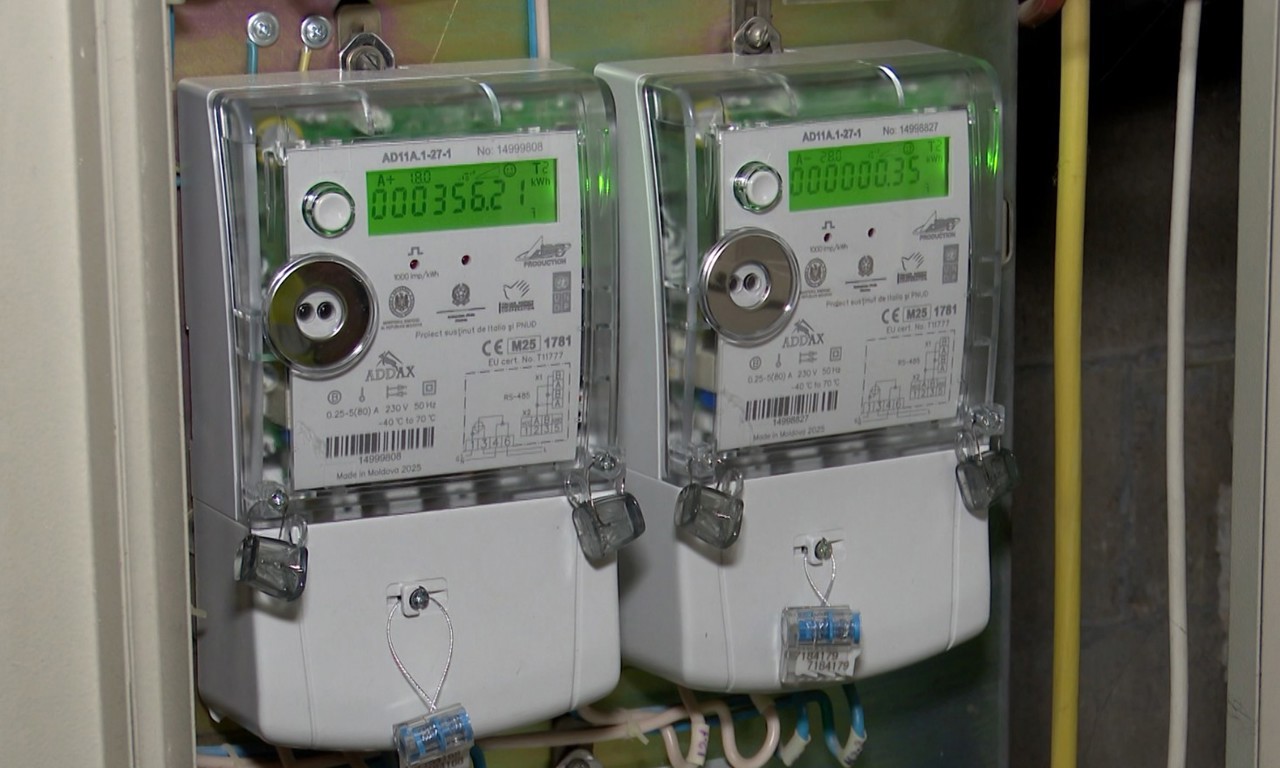
Another 400,000 households in the Republic of Moldova could receive smart electricity meters between 2028 and 2030, as part of a pilot program launched in the summer of 2023. According to the Ministry of Energy, expanding the digital metering system will optimize energy distribution nationwide and enable accurate billing based on real-time data.
The pilot program, initiated with the support of UNDP Moldova and the Government of Italy, began with 3,000 beneficiaries in Bălți and Chișinău. It was subsequently expanded to include another 32,000 smart meters, installed in households across 21 districts. A tender process is currently underway to procure an additional 65,000 meters.
In total, these 100,000 smart meters are expected to cover 7% of the country’s 1.4 million electricity consumers.
Among the options analyzed for expanding the digitalization of electricity metering, the scenario with the lowest financial and tariff burden would entail the installation of approximately 400,000 smart meters between 2028 and 2030.
Benefits of the device
A smart meter is a modern device that measures and records energy consumption over set time intervals. The device instantly detects system anomalies, ranging from minor voltage fluctuations to major power outages. Consequently, operators can intervene promptly, reducing response times and enhancing the reliability of the energy supply.
Smart meters enable more efficient energy distribution and accurate billing; most importantly, they generate cost savings by preventing energy losses. Furthermore, smart metering encourages consumers to use electricity during periods of lower demand—when energy is cheaper and the grid is under less strain.
Since simply replacing existing meters does not allow for the full potential of these new technologies to be realized, developers are exploring the integration of HES (Head-End System) and MDMS (Meter Data Management System) platforms. These systems facilitate communication with meters and the collection, verification, and processing of data needed for billing and consumption analysis.