Zelensky says Moscow breached energy ceasefire with 76 strikes
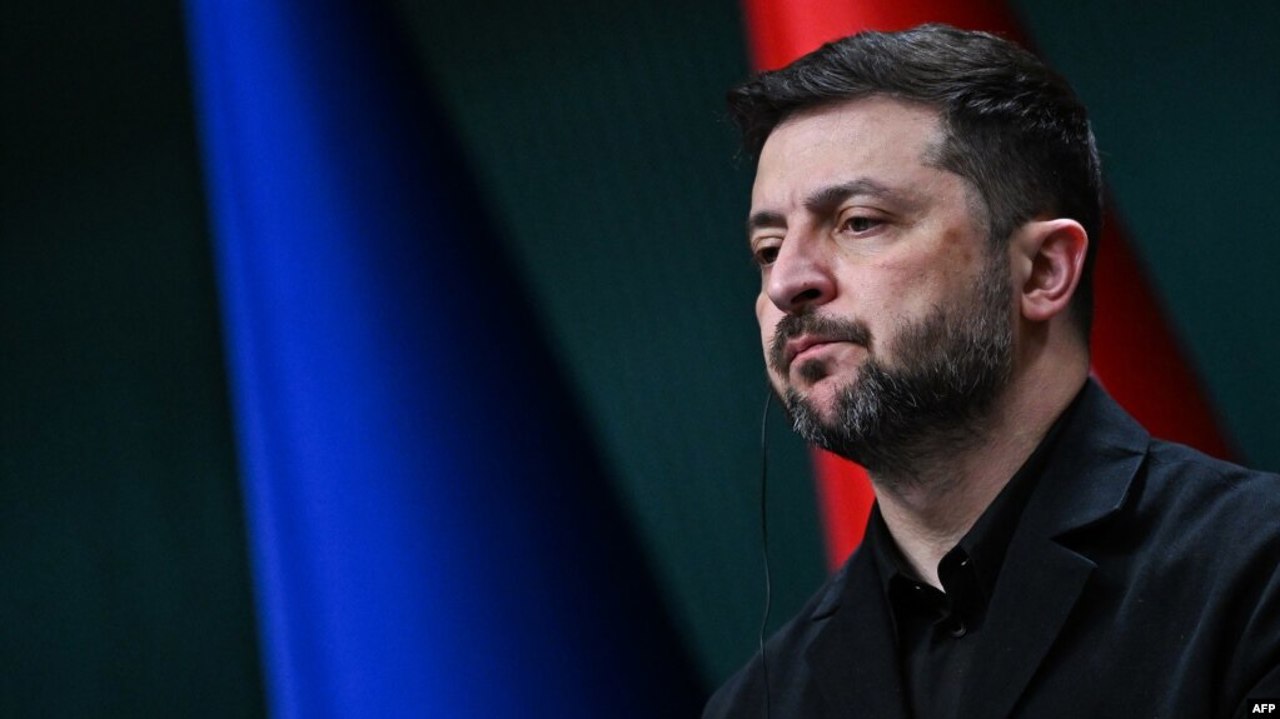
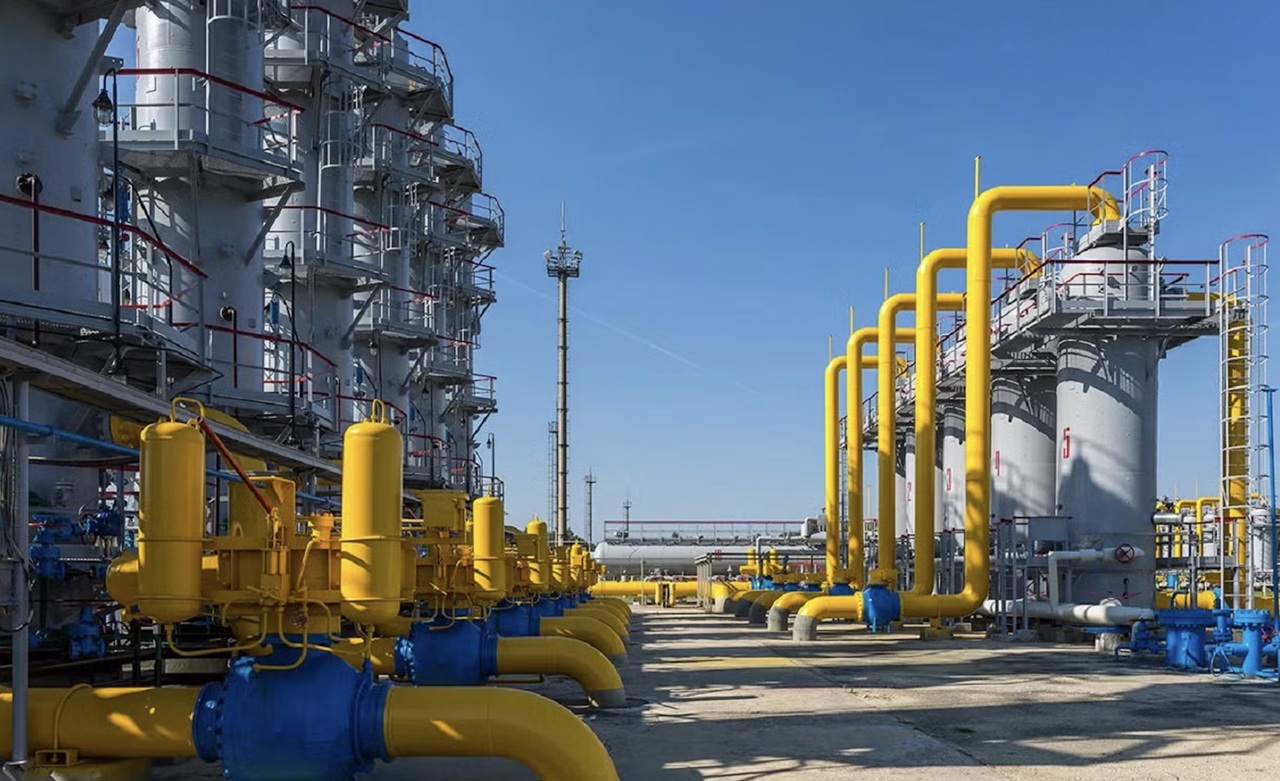
Ukrainian President Volodymyr Zelensky said on Sunday that Russian forces launched 76 targeted strikes against Ukraine’s energy, oil, and gas infrastructure over the past week despite a declared ceasefire.
Unrelenting aerial bombardment
Reviewing a weekly barrage comprising nearly 2,700 strike drones, 1,700 guided aerial bombs (KABs), and 66 missiles—most of them high-speed ballistic weapons—Zelensky warned that Moscow views Western trade flexibility as validation to prolong the war. He urged international partners to increase economic and military pressure on the Kremlin.
The remarks follow an overnight wave of strikes that damaged electrical substations in Odesa, Khmelnytskyi, Vinnytsia, and Zhytomyr, cutting power to tens of thousands of households. In addition to utility networks, Russian munitions struck residential buildings and commercial properties, killing two people and wounding 12 others, including two children.
“Since the American president announced an energy ceasefire a week ago, Russia has deliberately struck Ukraine’s energy, oil, and gas sector 76 times,” Zelensky said, emphasizing that Moscow escalated civilian network destruction rather than curbing hostilities.
“Dozens of thousands of families were left without electricity. Utility specialists and repair crews are working virtually around the clock to restore power,” the Ukrainian president added. A separate Sunday morning strike also hit an agricultural business in the western Volyn region.
Transatlantic Sanctions Friction
Zelensky addressed policymakers in Washington directly, arguing that Moscow interprets diplomatic concessions—such as recent executive waivers on secondary sanctions and bilateral diesel shipping agreements—not as incentives for peace, but as proof that its war effort yields economic rewards.
“America must see that Russia does not take reciprocal steps in response to sanctions relief or agreements,” Zelensky said. “On the contrary, they perceive every signal of revenue opportunity as proof that their bet on war is working.”
The address underscores mounting diplomatic friction between Kyiv and Washington. On October 11, U.S. President Donald Trump announced an immediate bilateral energy ceasefire on Truth Social, asserting that both sides had agreed to halt attacks on utility grids, though formal enforcement mechanisms were never established.
Tensions deepened after Trump signed an executive order invoking Section 115 of the Russia-Iran Sanctions Act of 2026 (the Graham Act) to pause mandatory 500% tariffs on Russian imports and 100% secondary tariffs on global buyers of Russian energy just 48 hours before they were scheduled to take effect.
U.S. Secretary of State Marco Rubio defended the move as a 60-day pause to assess domestic and global economic repercussions, citing foreign partners' dependencies such as India’s reliance on Russian crude. Rubio also supported a bilateral agreement allowing Russian diesel onto world markets to mitigate fuel inflation driven by Middle Eastern conflicts.
White House spokesperson Taylor Rogers stated that enforcing the statutory Graham Act sanctions now would hinder diplomatic efforts to broker a durable peace settlement, arguing that maintaining the measures as leverage provides the administration with negotiating flexibility.
Zelensky rejected that logic, insisting that decisive deterrence remains the only path toward ending hostilities. “It is precisely because of this Russian stance that the war continues, not because Ukraine is rightfully defending itself,” he said. “Russia must be pressured so that peace has a chance.”
Translation by Iurie Tataru
RELATED COVERAGE
- Zelensky accuses Fico of opening energy front against Ukraine
- Ukraine secures energy and military aid packages as war enters fifth year
- Moldova poised to debut as renewable energy exporter to Ukraine by summer 2026
- How Ukraine is strengthening winter energy security
- Volodymyr Zelensky proposes replacing Prime Minister Yulia Sviridenko