Supreme Court judge shortage: Only 8 of 20 posts filled, former Justice Minister
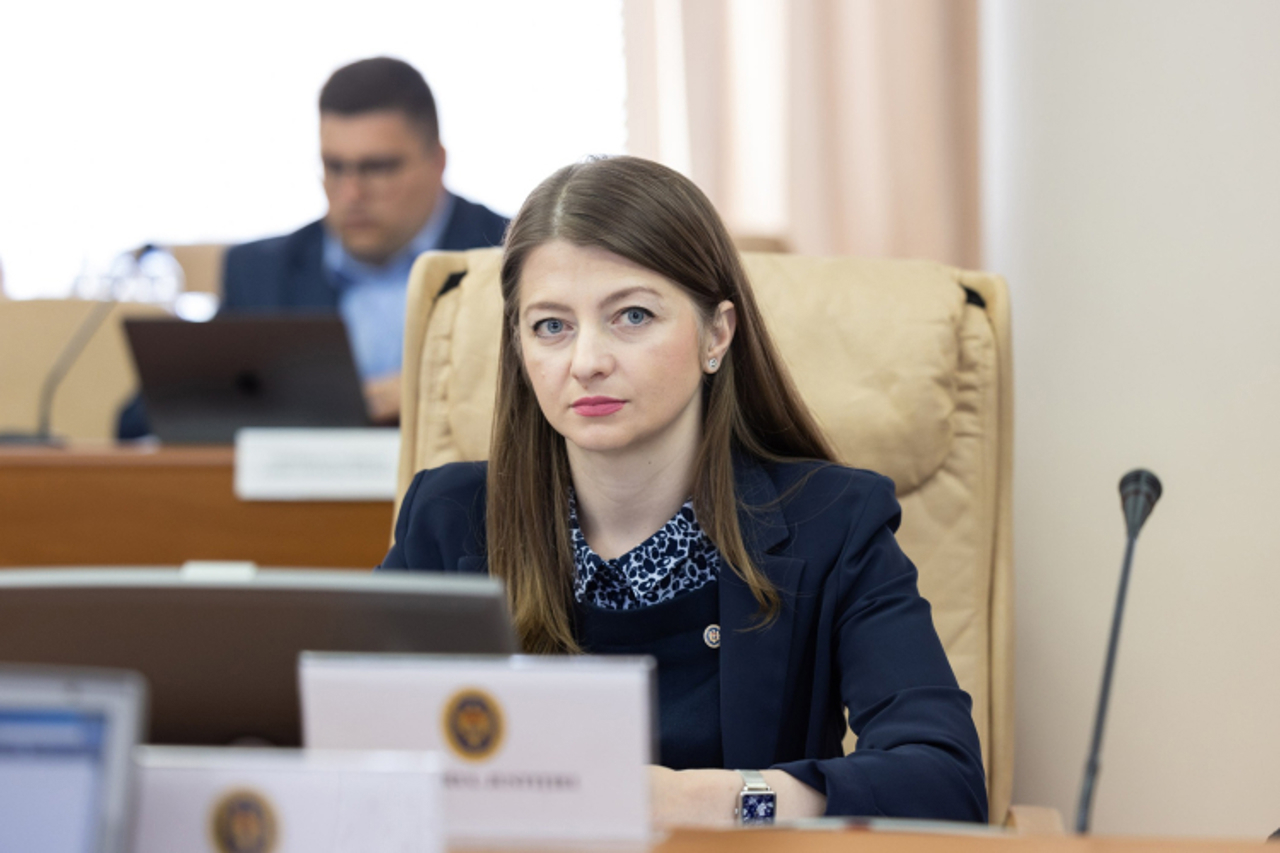
The Supreme Court of Justice (SCJ) is currently facing a significant shortage of judges, with only eight of the 20 positions filled. Presidential advisor and former Minister of Justice Veronica Mihailov-Moraru stated in an interview with IPN that it is essential to fill these vacancies in order to advance reforms in the justice sector.
“We need 20 judges. Currently, only eight positions are filled, leaving 12 vacancies that need to be filled,” the advisor emphasized, highlighting the importance of encouraging both judges and civil society representatives to apply for these positions as they contribute to the reform of the justice system.
According to Veronica Mihailov-Moraru, efforts to accelerate the extraordinary evaluation of judges and prosecutors are ongoing. The Government “has taken all necessary measures to facilitate this evaluation activity.”
The presidential advisor noted that the pace of this process largely depends on the independent actions of the committees: “It relies heavily on the members of the Evaluation Committees and the Secretariat because they are responsible for organizing the work, distributing cases, conducting interviews, and analyzing them. The quality of the evaluation is also significant, as it involves assessing a person’s financial and ethical integrity, not only their own but also that of their close associates, as stipulated by the legislation, for a period up to the date of the evaluation.”
The former Minister of Justice also emphasized the importance of quality in the evaluations: “It is essential that the reports and conclusions of the Evaluation Committees are thorough and well-reasoned,” stressing that the legislation requires a comprehensive analysis of the integrity of both the evaluated individual and their close associates.
To expedite the process, Parliament "expanded the composition of the two Evaluation Commissions by adding an additional panel of three experts," and subsequently selected new members, including international experts.
“I want to emphasize that both national and international experts participate in the Evaluation Commissions. We believe this, combined with legislative amendments aimed at streamlining certain procedures for collecting and contesting evaluations, will accelerate the extraordinary evaluation process.”
The presidential advisor noted a “perfect dynamic” in the activities of Commission No. 2, which evaluates judges, stating that it “is on track to complete the evaluation of all judges at the level of courts of appeal” by 2025. Meanwhile, “chief judges, including court presidents and vice presidents,” are also being assessed.
In contrast, Commission No. 3, responsible for evaluating prosecutors, has faced challenges, including “the temporary suspension of funding from the U.S. Government.” After the European Commission took over funding, the process resumed, and in the last two months, “several reports have been submitted to the Superior Council of Prosecutors for examination and validation or invalidation.”
Commission No. 3 will proceed to evaluate the heads of prosecutors' offices and their deputies, as well as those who will serve on future anti-corruption panels, in accordance with the new legislative provisions.
Veronica Mihailov-Moraru concluded that increasing the pace of evaluations is critical to achieving the 2026 objective, but without sacrificing quality: “It is very important that the process is expedited, given the significant number of prosecutors being evaluated.”