City Hall asks CSE to cover "Apă-Canal Chișinău" debts. What government representatives say
The Mayor's Office of Chisinau is asking the Commission for Exceptional Situations (CSE) to cover the debts of Apă-Canal Chisinau, warning that otherwise the city could run out of water as of February 1. The Bloc of Communists and Socialists demanded government intervention. Government representatives told Radio Moldova that the debts to energy suppliers were related to commercial relations between the two entities, and could be negotiated or rescheduled.
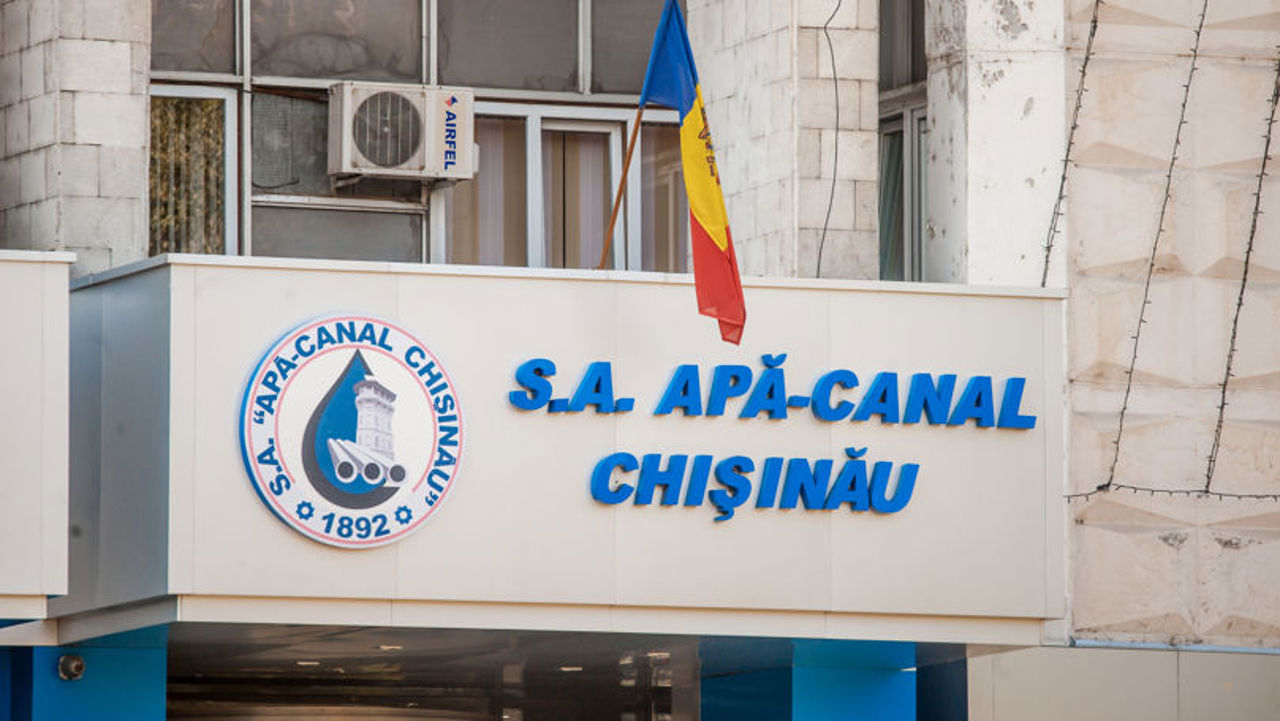
Apă Canal Chișinău does not have enough money to cover the debts accumulated in the wake of electricity prices in recent months, the capital's mayor, Ion Ceban, stated today. There are two solutions to ensure that Chisinau remains supplied with water, he said.
"To change the methodology and adjust the costs for water and sewage services, at least to cover the operational expenses but also the credits of the previous administrations 2013-2014. If only the electricity situation remains, the government must pay the full amount of about 300 million lei, money that will not arrive in 2023 because of the price increases that the PAS government has made, mainly on electricity."
The National Agency for Energy Regulation recently raised water and sewage tariffs by about 4 lei. However, Irina Gutnic, deputy mayor of Chisinau municipality, responsible for housing and the "Apă-Canal Chișinău" enterprise, argues that the current tariffs do not even cover current energy consumption and do not include the financial sources needed to pay off historical liabilities.
Should the administrative block be disconnected, the situation would be even worse. There would be no billing of consumers, additional expenses would accumulate for starting up generators, and we pay around 11,000 lei a day for electricity, and if a generator is started up, the expenses would amount to 22,000 lei".
Also today, deputies of the parliamentary faction of the Bloc of Communists and Socialists held a briefing where they asked the Government urgently to propose measures to ensure that Chisinau does not run out of water.
At the request of Radio Moldova, government representatives said that the water tariff was approved by ANRE, an institution whose independence is protected by law. For other suppliers, tariffs have been approved allowing the recovery of previous financial losses, the case of Apă Canal is no different from other companies. Liabilities to energy suppliers relate to the commercial relations between the two entities, which can be agreed, rescheduled and argued before the regulator.
In November, the Chisinau Municipal Council voted to increase water and sewage tariffs from 11 lei to about 23 lei. But ANRE gave its approval for a much smaller increase. Meanwhile, the electricity supplier has disconnected several offices of Apă Canal Chisinau and announced that it will keep on disconnecting due to debts of 73 million lei.