Alexandru Radu saved dozens with his rare blood type
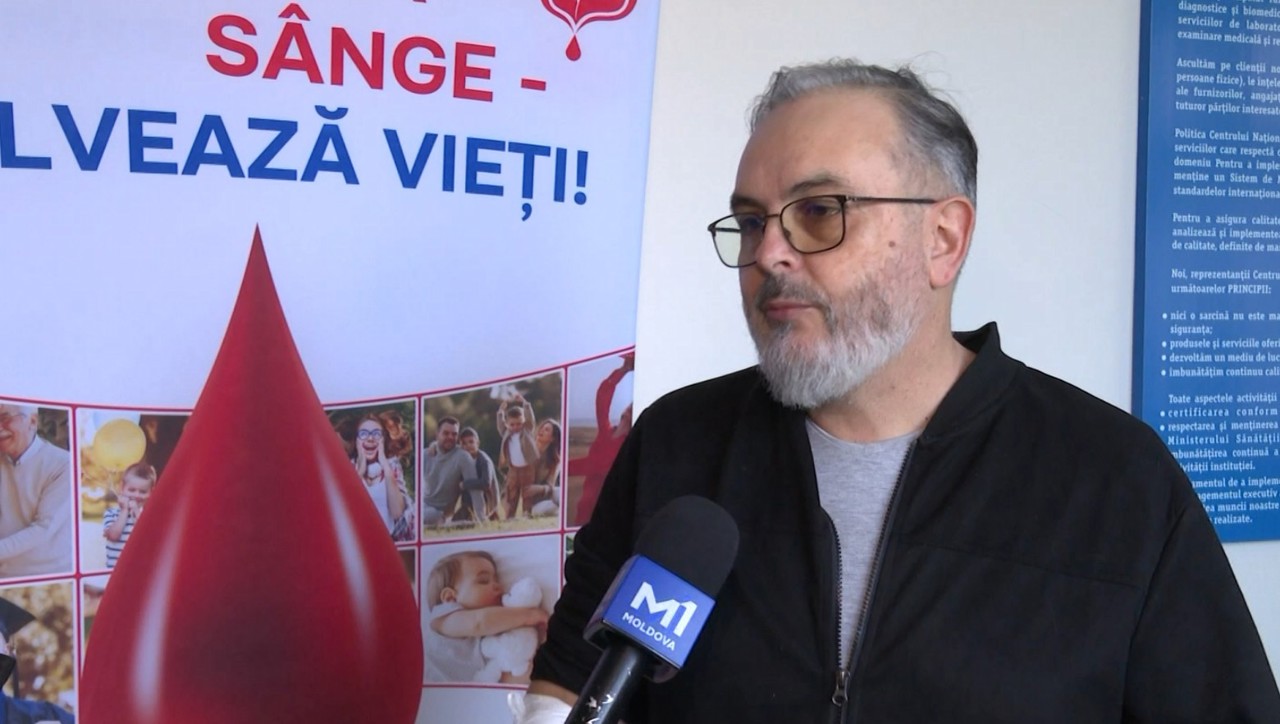
A single blood donation can save at least three lives, and Alexandru Radu knows this from personal experience rather than just statistics. He has donated blood 63 times and is committed to continuing this practice whenever he can. The first life he saved was not just an anonymous recipient; it was a child from his neighborhood who had been seriously injured in an accident.
Alexandru Radu has a very rare blood type, and as a teenager, he witnessed a tragedy that changed his life forever. A small child suffered serious burns after spilling a pot of hot water on himself and urgently needed blood. The child had the same rare blood type as Alexandru, but his relatives were unable to donate.
"The first time I donated, I was quite young—only 17 years old. There was an emergency in my neighborhood. My relatives couldn't donate, and there was a small child who needed a direct transfusion due to his burns. I was lying on a bed, and next to me was that child," recalls Alexandru Radu.
That experience, along with his family's history of donating, motivated him to continue this practice. After turning 18, Alexandru became a regular donor, adhering to all the rules set by law.
"I remember from childhood that my grandparents were donors, as well as my mother and her sister—because they had the same blood type and were in demand. In the end, it's a good deed. I'm not the only one; there are many donors. You can see them in the gym," Alexandru explains.
Now 53 years old, Alexandru has been visiting the Blood Transfusion Center periodically since 2010. For him, donating blood has become not only a gesture of solidarity but also a way of life.
"Being a systematic donor means I have to maintain a healthy lifestyle throughout the year. A blood donation can save three lives, maybe even more. I believe that in this way, I help people," he says.
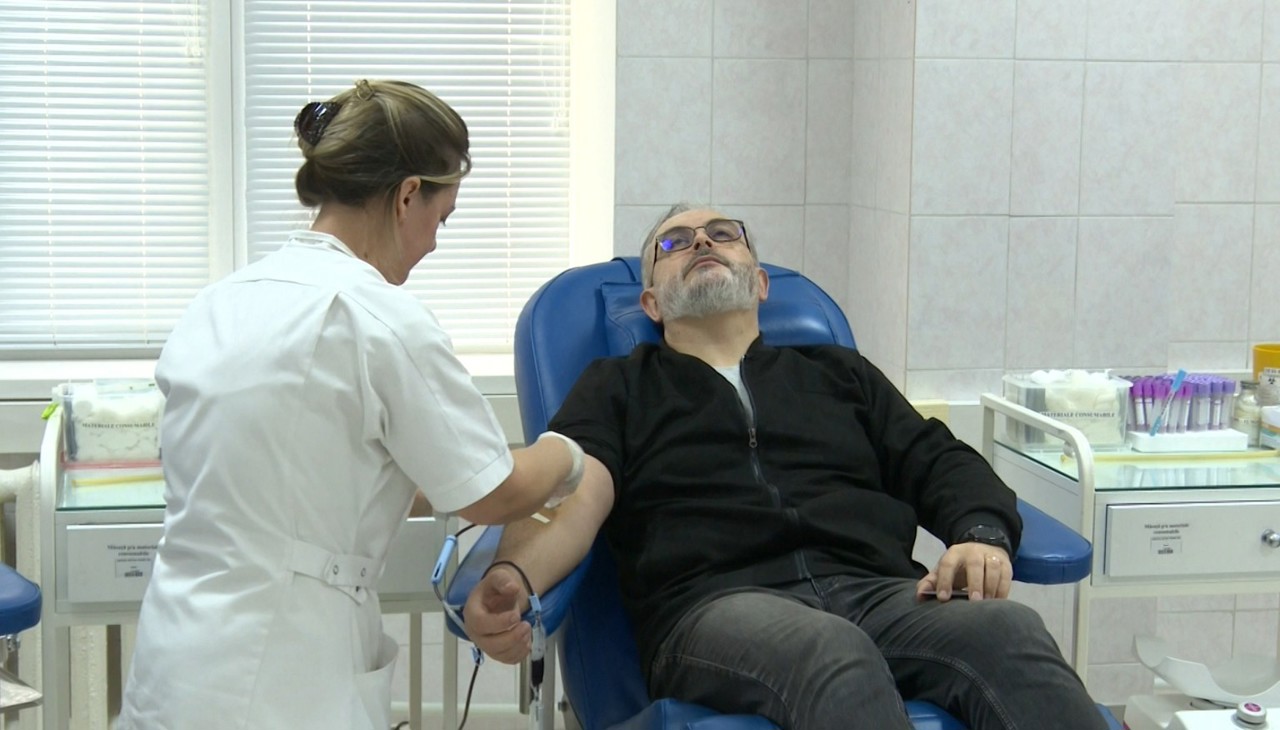
According to officials in the field, hospitals in the Republic of Moldova currently have sufficient blood reserves, largely thanks to dedicated donors.
"Any individual between the ages of 18 and 65 who weighs at least 50 kilograms and feels healthy on the day of donation can become a donor. They should not have acute respiratory infections or have undergone recent surgeries. Even smokers can donate, but smoking is prohibited for two hours prior to the donation," explains Silvia Roșca, director of the National Blood Transfusion Center.
In just one hour, a volunteer can donate up to 450 milliliters of blood. This blood is then separated into components—red blood cells, plasma, and platelets—each of which can assist different patients in critical situations, such as those involved in accidents, suffering from serious burns, undergoing surgeries, or battling chronic diseases like leukemia or anemia.
For Alexandru Radu, each donation represents a new chance at life for someone, and that is what motivates him to return to donate time and time again.