Romania backs early European Union talks with Republic of Moldova; 2028 accession goal seen as realistic
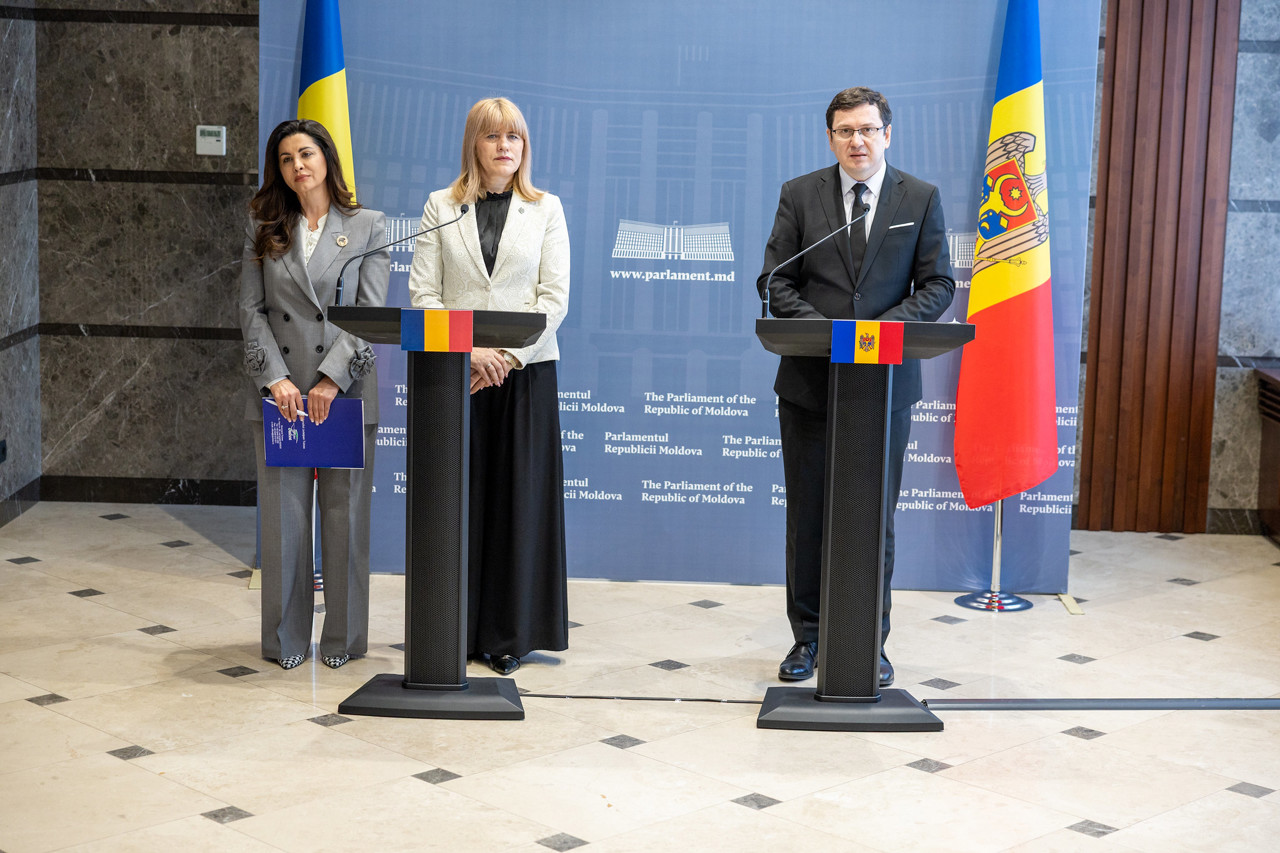
The Republic of Moldova's goal of joining the European Union by 2028 is described as both "ambitious and realistic." Romania supports starting accession negotiations at the earliest opportunity. This message was conveyed in Chisinau following a joint meeting of the European affairs committees of the parliaments of both countries.
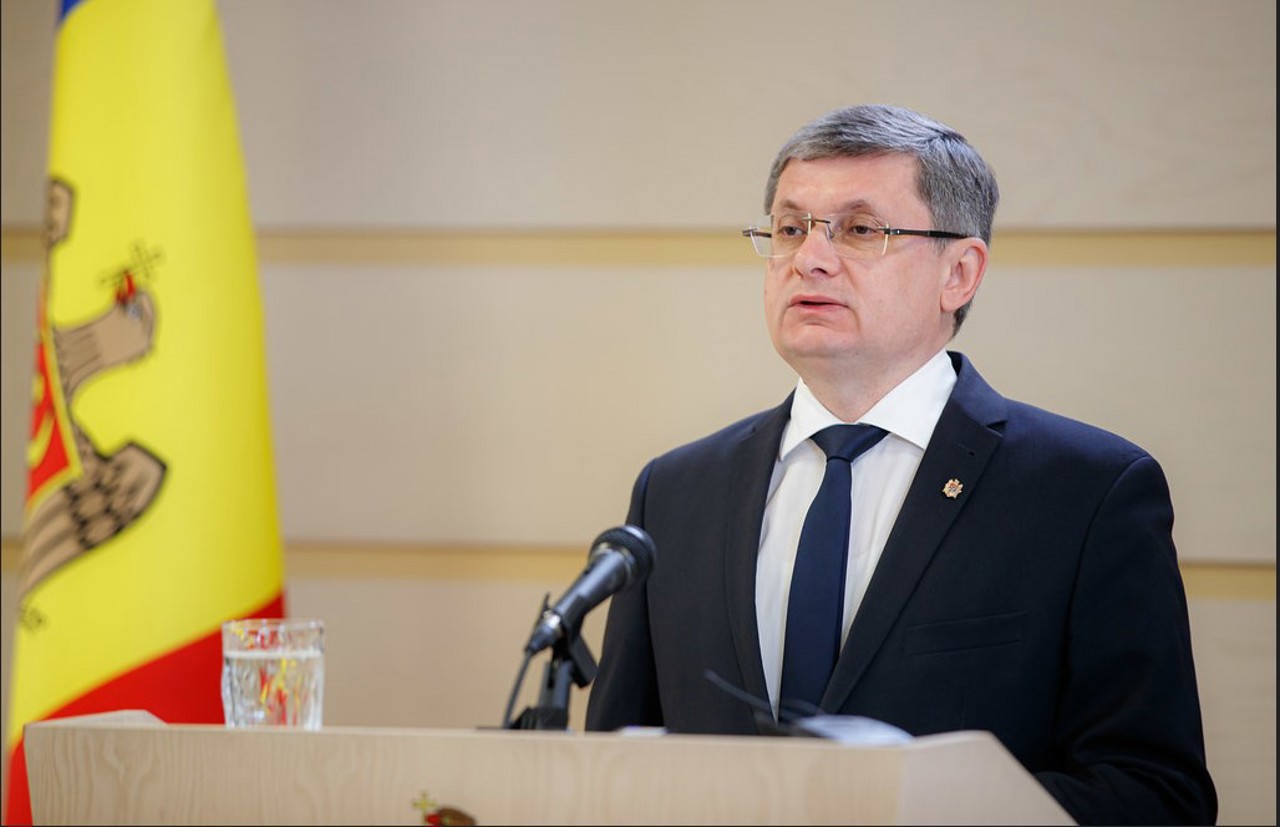
The Chairman of the Committee on European Integration of the Parliament of the Republic of Moldova, Marcel Spatari, stated at a press conference on March 13 that it is crucial for the process of implementing the community acquis to continue at the same pace. He emphasized that Romania's experience is extremely valuable in this regard.
"As a deputy and member of the Committee on European Integration, I participated in two conferences involving the Committees on European Affairs, and all the states of the European Union support the opening of negotiations—at least on the first three chapters—with the Republic of Moldova. However, a decision in this regard will be made at one of the upcoming European Councils," Spatari noted.
Regarding Hungary's position opposing Ukraine's accession to the European Union, Marcel Spatari highlighted that Hungary is open to starting negotiations with the Republic of Moldova. He also mentioned that it is essential for both countries, which began their accession processes simultaneously, to progress at least at a comparable pace.
"We support Ukraine's accession to the European Union, and Ukraine supports Moldova's accession to the European Union," reiterated Spatari, the Chairman of the European Integration Committee of the Parliament of the Republic of Moldova.
Marcel Spatari also emphasized the importance of Romania's support in implementing the European Union acquis and harmonizing Moldovan legislation, particularly in areas where Moldova lacks sufficient expertise.
"It is also vital to ensure a high degree of absorption of the financial support that the European Union offers us. Romania also has substantial experience in this area. We will continue the dialogue to improve the absorption of European funds in the Republic of Moldova," Spatari concluded.
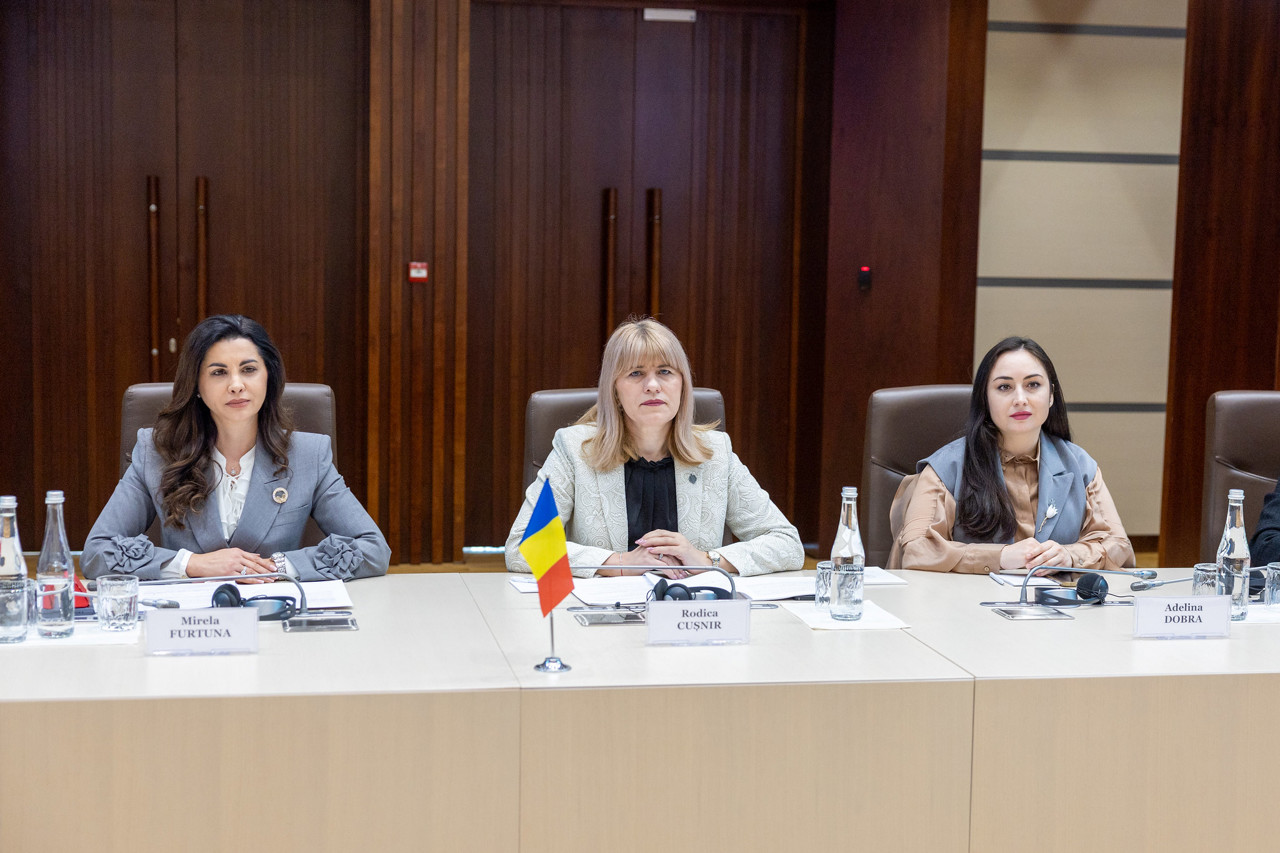
Senator Rodica Cușnir, Chairwoman of the European Affairs Committee of the Romanian Senate, stated that Romania's experience—marking twenty years since joining the European Union in 2027—can be beneficial for the Republic of Moldova.
"We have the advantage of speaking the same language, allowing us to understand each other much better than was the case for Romania. I believe that our expertise and the challenges we have faced are a positive sign that we can help the Republic of Moldova become a member state of the European Union as soon as possible. We come with goodwill, open to collaboration, and eager to exchange impressions and experiences," emphasized the Romanian senator.
Mirela Furtuna, Vice-Chairwoman of the European Affairs Committee of the Chamber of Deputies, noted that the increasingly complex geopolitical challenges necessitate strengthened cooperation at the interparliamentary level. Romania is the primary supporter of the Republic of Moldova at the European level, and the presence of delegations from both committees for European affairs in Chișinău reaffirms the excellent bilateral relations between the two states.
The Romanian parliamentarian also highlighted the importance of supporting the gradual integration of the Republic of Moldova into European Union policies—a process that complements, rather than replaces, the enlargement process.
“This gradual integration will deliver direct benefits to citizens, through economic growth and improved well-being. For instance, the Republic of Moldova has joined the European Roaming Area, which has led to reduced mobile telephony costs, and it also participates in the Single Euro Payments Area (SEPA),” Mirela Furtuna added.
Additionally, the Vice-President of the European Affairs Committee of the Chamber of Deputies encouraged more active communication at the parliamentary level regarding the Republic of Moldova's accession to the European Union, including efforts to counter disinformation campaigns related to this topic.
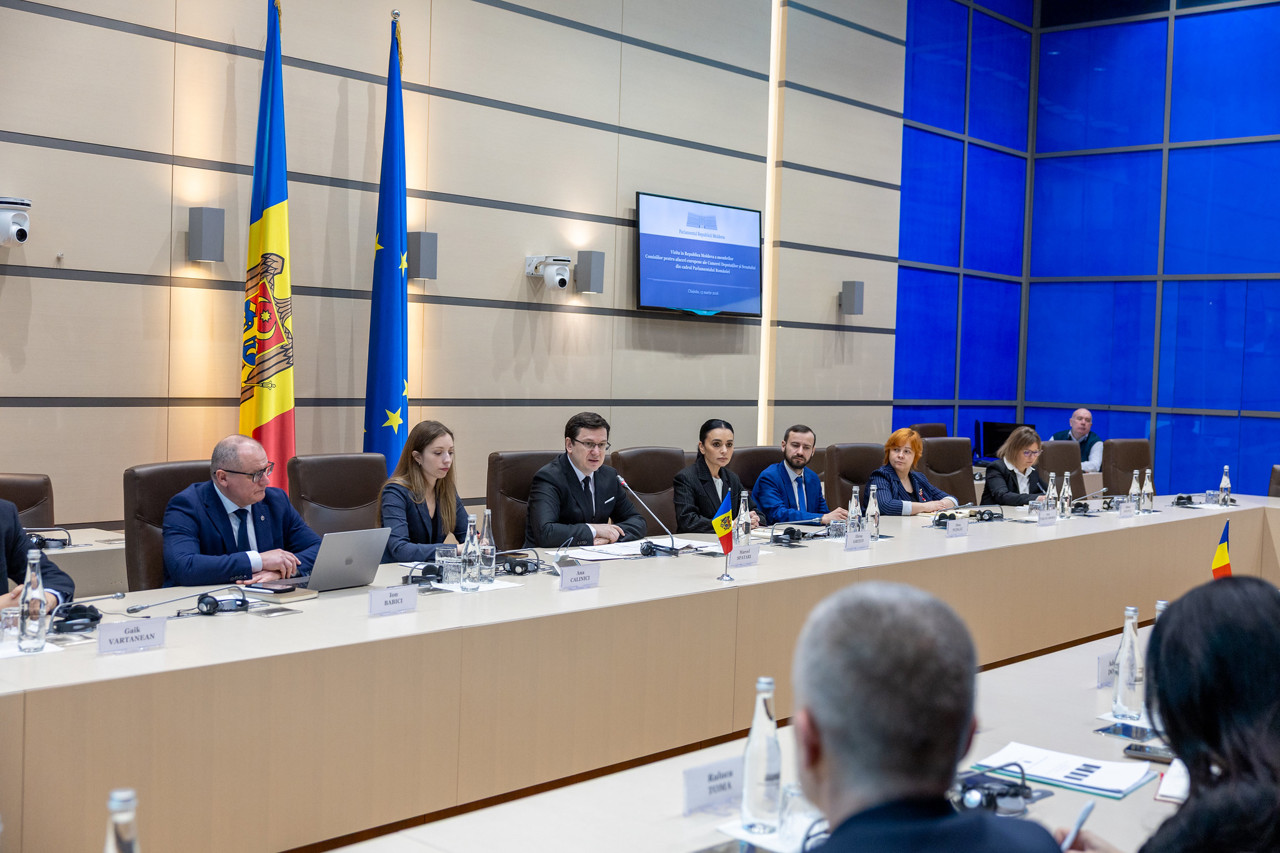
The parliamentary meeting in Chisinau on March 13 followed a similar meeting in Bucharest in November 2025.
During the visit, the delegations also scheduled meetings with members of the Committee on National Security, Defense, and Public Order, as well as with Cristina Gherasimov, the Deputy Prime Minister for European Integration, and Anca Dragu, the Governor of the National Bank of Moldova.