Harassment, deepfakes, and threats: How digital violence against women manifests in the Republic of Moldova
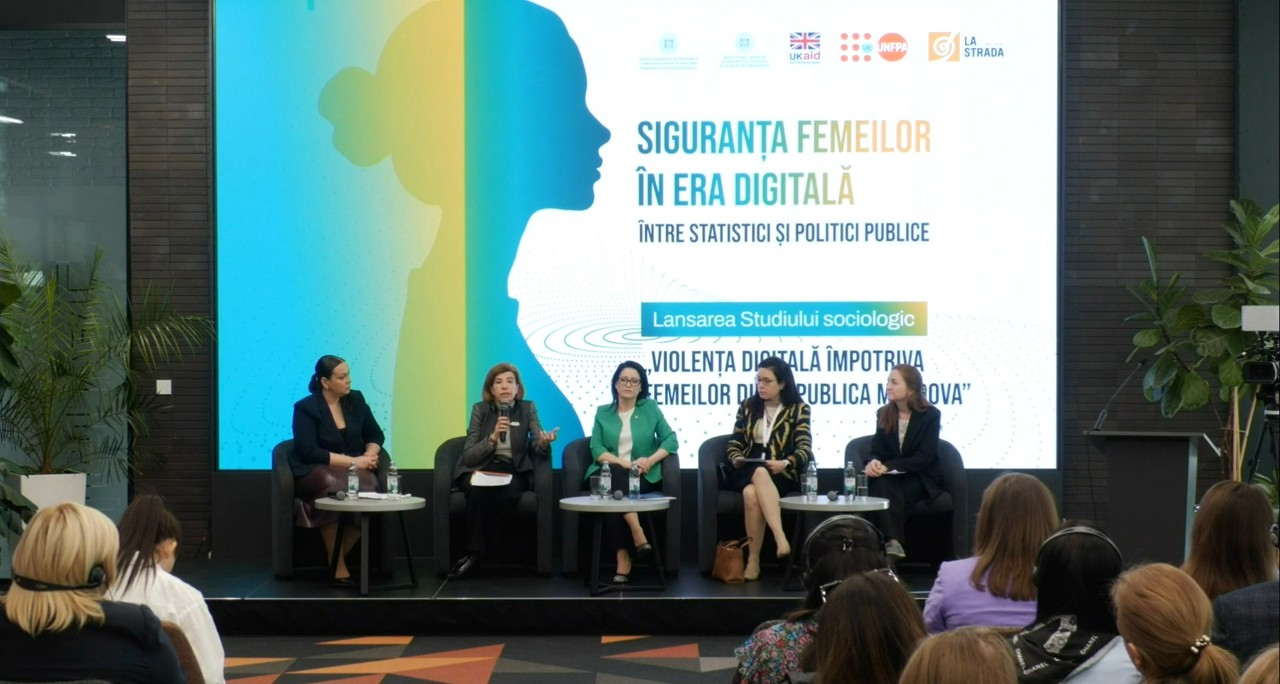
The online environment has become a dangerous space for women. Issues such as harassment, threats, the non-consensual sharing of intimate images, and the use of deepfake technologies contribute to the destruction of victims' lives, leading to anxiety and job loss. These findings are from the first sociological study titled "Digital Violence against Women in the Republic of Moldova," which was presented on April 27 in Chisinau by the International Center "La Strada" and the UN Population Fund.
Digital violence has become a "normality"
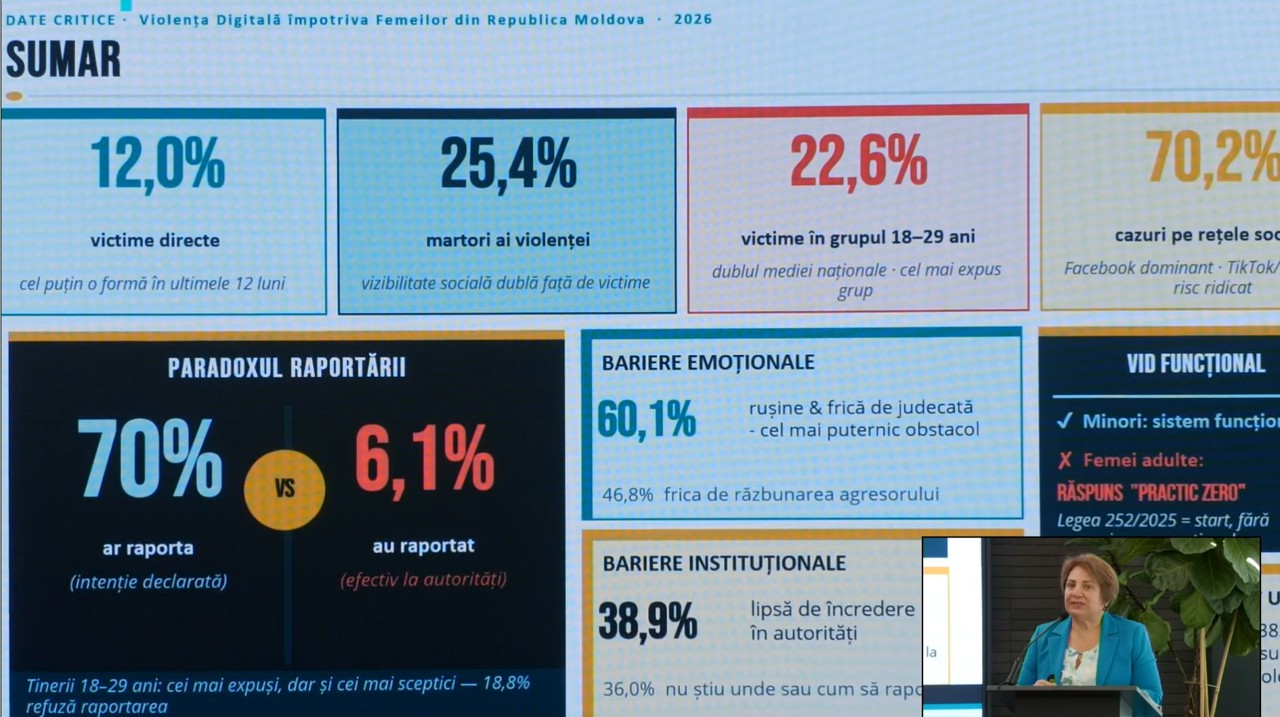
Recent research indicates that about 12% of respondents have experienced some form of digital violence in the past year, while 25.4% have witnessed instances of digital violence against individuals—both women and men—online.
Diana Cheianu-Andrei, a representative of Sociopolis Consultancy, emphasizes, “The reality is that digital violence is more prevalent than the 12% figure suggests. The various forms of this issue occur so frequently online that they are now considered normal. For instance, 74% of women have become accustomed to online abuse due to the lack of intervention.”
Victim profile: Students, unmarried, and divorced women
Women are disproportionately affected by digital violence compared to men, with 14.2% of women reporting incidents versus 6.9% of men. The most vulnerable group consists of female students, while unmarried and divorced women are particularly targeted.
Digital violence primarily affects the young population aged 18-30, with occurrences decreasing in older age groups: 30-44, 45-59, and those aged 60 and above. Additionally, incidents of digital violence are more common in urban areas.
Interestingly, women with higher education levels report experiencing digital violence more frequently, with approximately 10% of educated women acknowledging such experiences.
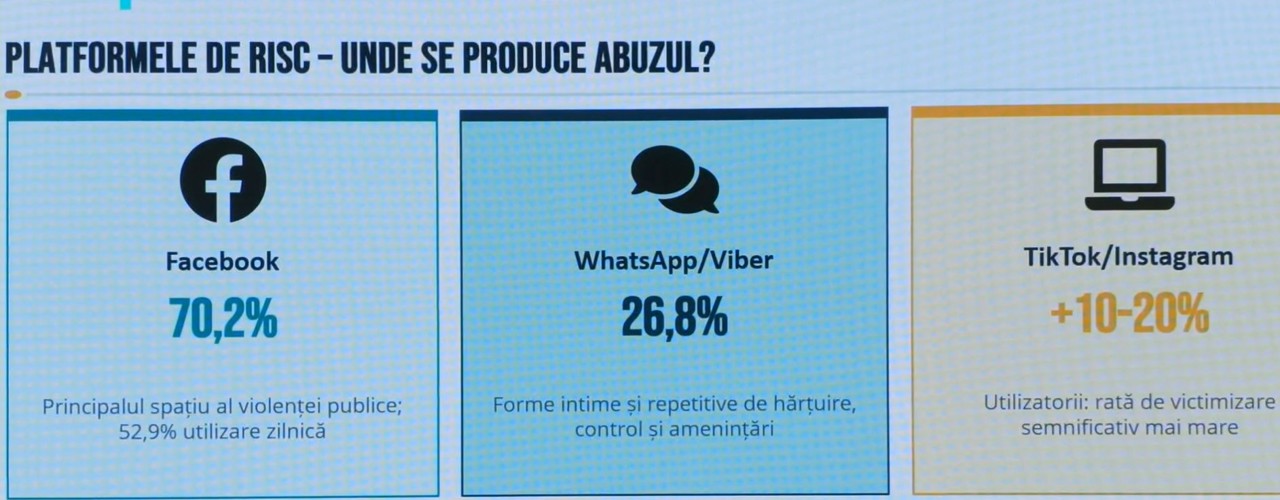
The majority of digital violence cases occur on social media platforms, especially Facebook, which accounts for 70.2% of reported incidents. Furthermore, threats and intimate messages are most commonly communicated via platforms such as WhatsApp, Viber, and Telegram, accounting for 26.8% of channels.
Most common forms of digital violence
The most prevalent forms of aggression include sexist language and hate speech, which account for 11% of incidents. Other significant forms are sharing or threatening to share intimate images at 9.5%, sending sexual content at 7.6%, smear campaigns at 6.8%, messages that damage reputations at 6.5%, and the use of artificial intelligence for harmful purposes at 6%.
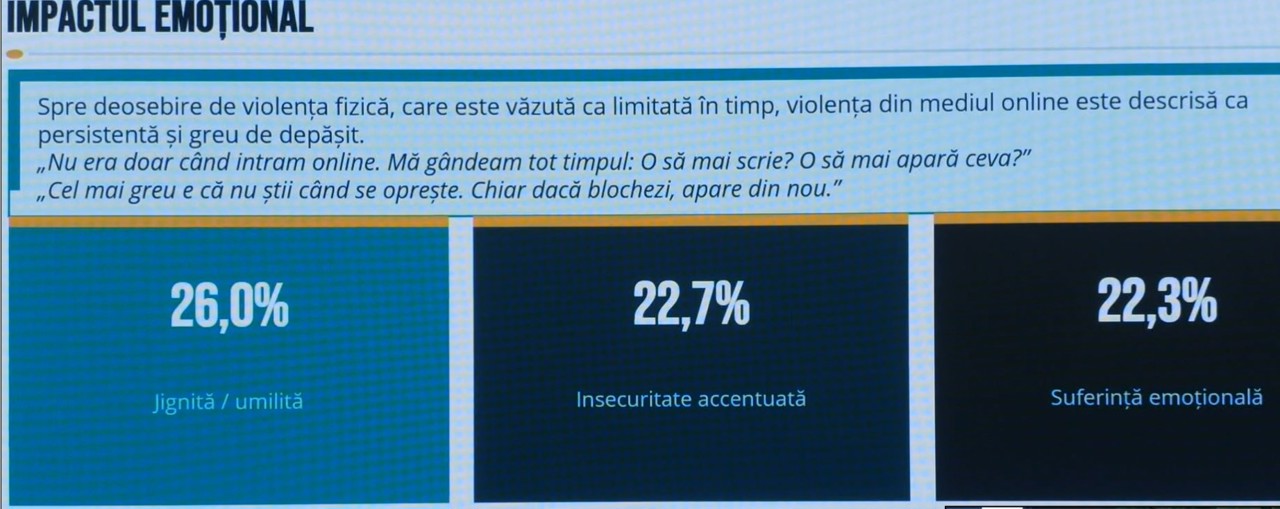
Diana Cheianu-Andrei said that "women reported experiences of insult, humiliation, and emotional suffering. These types of digital violence lead victims to live in a state of constant anxiety, permanent hypervigilance, and daily stress."
How women react
The study categorizes victims' reactions to online violence into three main groups:
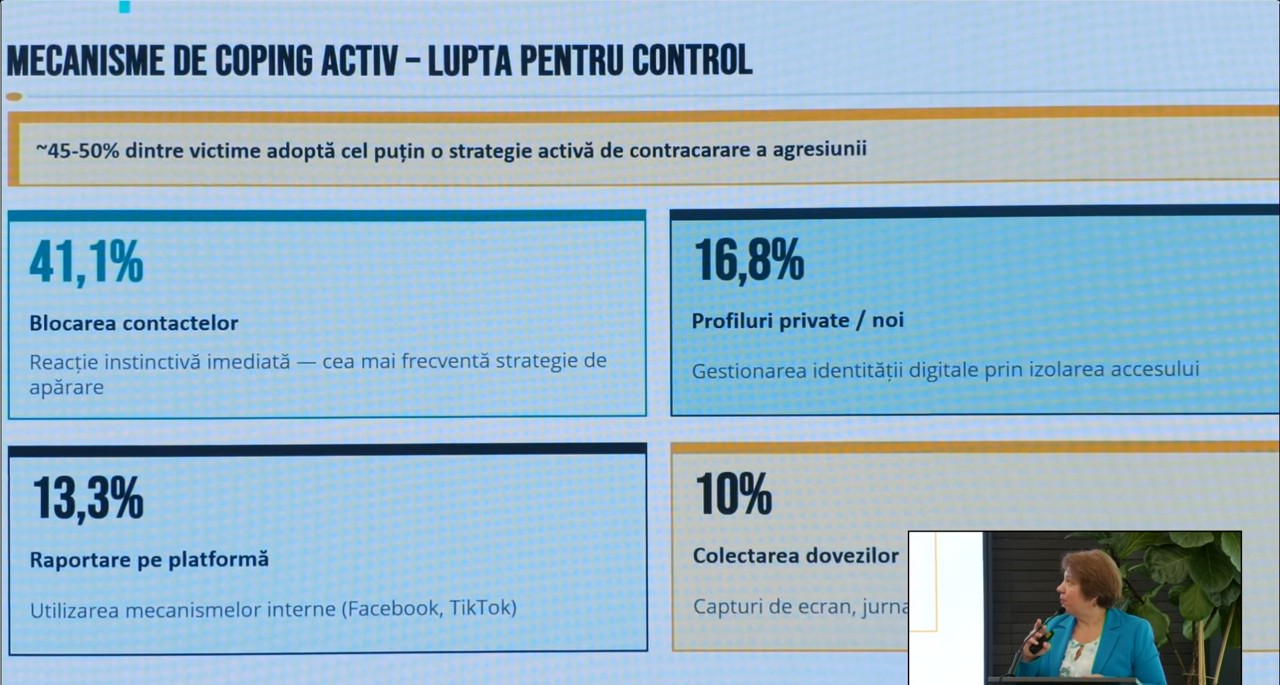
- About 45-50% of women block contacts, create new private profiles, or gather evidence for authorities.
- Approximately 18% passively withdraw from the online space.
- Between 30% and 50% resort to self-censorship, reducing or completely eliminating their online presence.
Active coping—confronting challenges directly—is quite rare among victims.
Economic and emotional impact
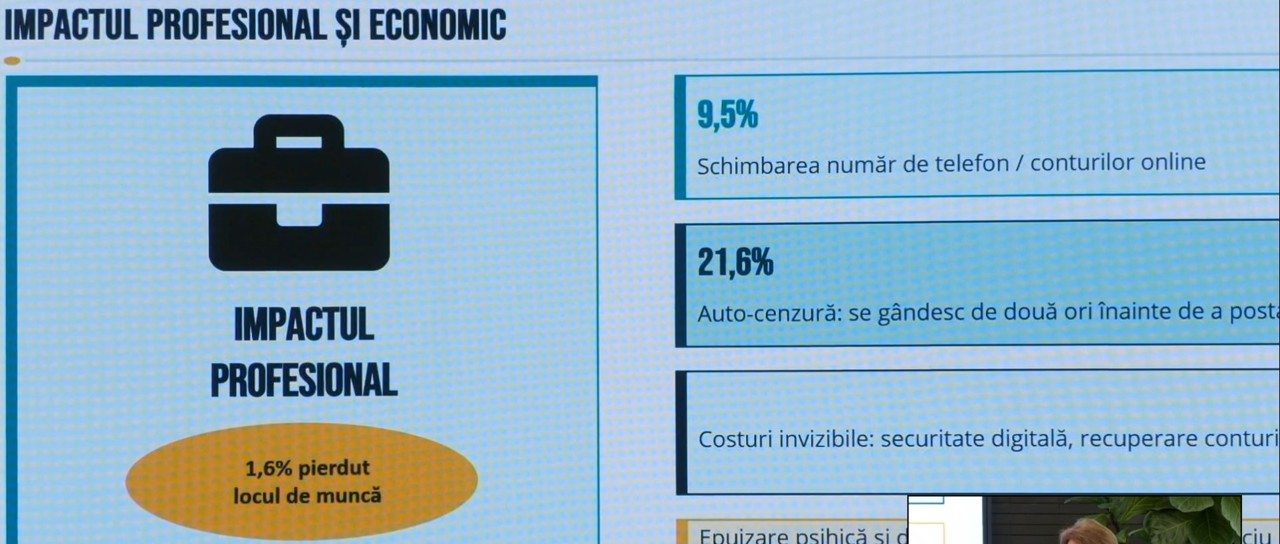
The study also reveals that 1.6% of the women interviewed lost their jobs due to online violence.
Those who retained their jobs experienced ongoing stress, negatively impacting their professional performance.
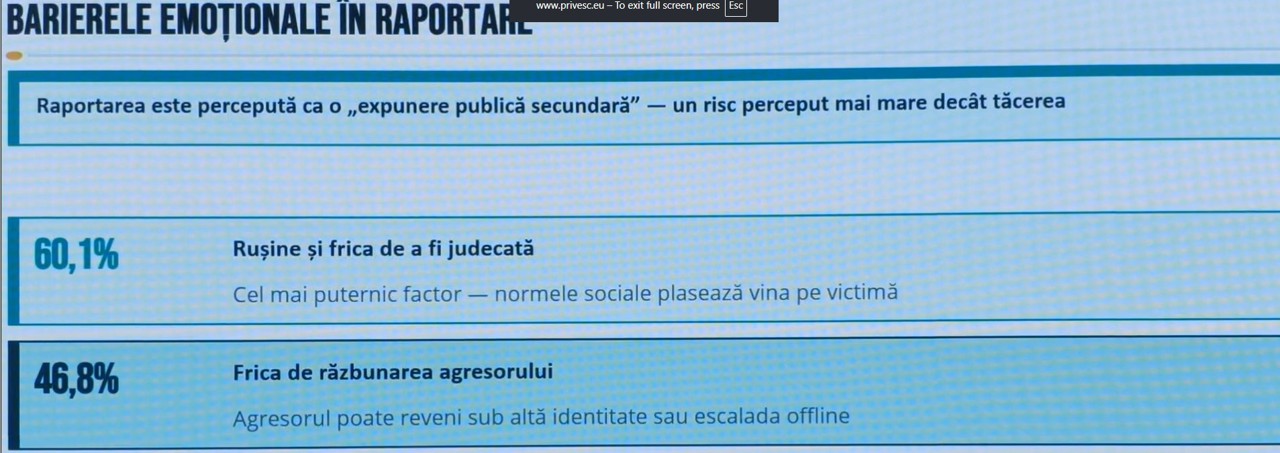
Additionally, the study highlights that both experts and society often blame victims, and support for reporting such cases remains severely limited.
Institutional deficiencies
The study identified several gaps that hinder efforts to combat this issue: the lack of unified intervention practices, unclear procedures for victims seeking the removal of online content, and the absence of rapid intervention mechanisms.
At present, only cases of digital violence against children receive prompt intervention, thanks to a strong legal framework.
Study recommendations
The authors of the study recommend that authorities establish a clear, predictable, and accessible reporting system. They suggest aligning the legal framework with European standards, creating clear reporting pathways, systematically collecting data, and providing training for specialists.
“The online space, which we aimed to make safe and free, is increasingly becoming a site of abuse, harassment, and intimidation. Digital violence is no longer a marginal phenomenon; it is part of our daily reality and disproportionately affects women, especially young women,” said Natalia Plugaru, Minister of Labor and Social Protection.
“Digital violence is not merely a technological challenge—it is about rights, safety, and equality. That is why the UK considers violence against women and girls one of the priorities of our foreign policy,” added Rose Thomson, Development Director at the British Embassy in Chisinau.
The study was conducted by CBS Research in October 2025, surveying a representative sample of 1,016 individuals through face-to-face interviews. The sampling error is ±3.1%. The qualitative component was conducted by Sociopolis Consultancy in November 2025 through interviews and focus groups.
The study titled "Digital Violence against Women in the Republic of Moldova" was initiated by the International Center "La Strada" with financial support from Great Britain, in collaboration with UNFPA, the Ministry of Labor and Social Protection, and the National Agency for the Prevention of Violence against Women and Girls.
Previously, the national platform e-Violenta.md was launched in the Republic of Moldova–the first national platform for survivors, which supports reporting cases and provides assistance in overcoming situations of digital violence.