WHO confirms nearly 500 Ebola cases in Central Africa
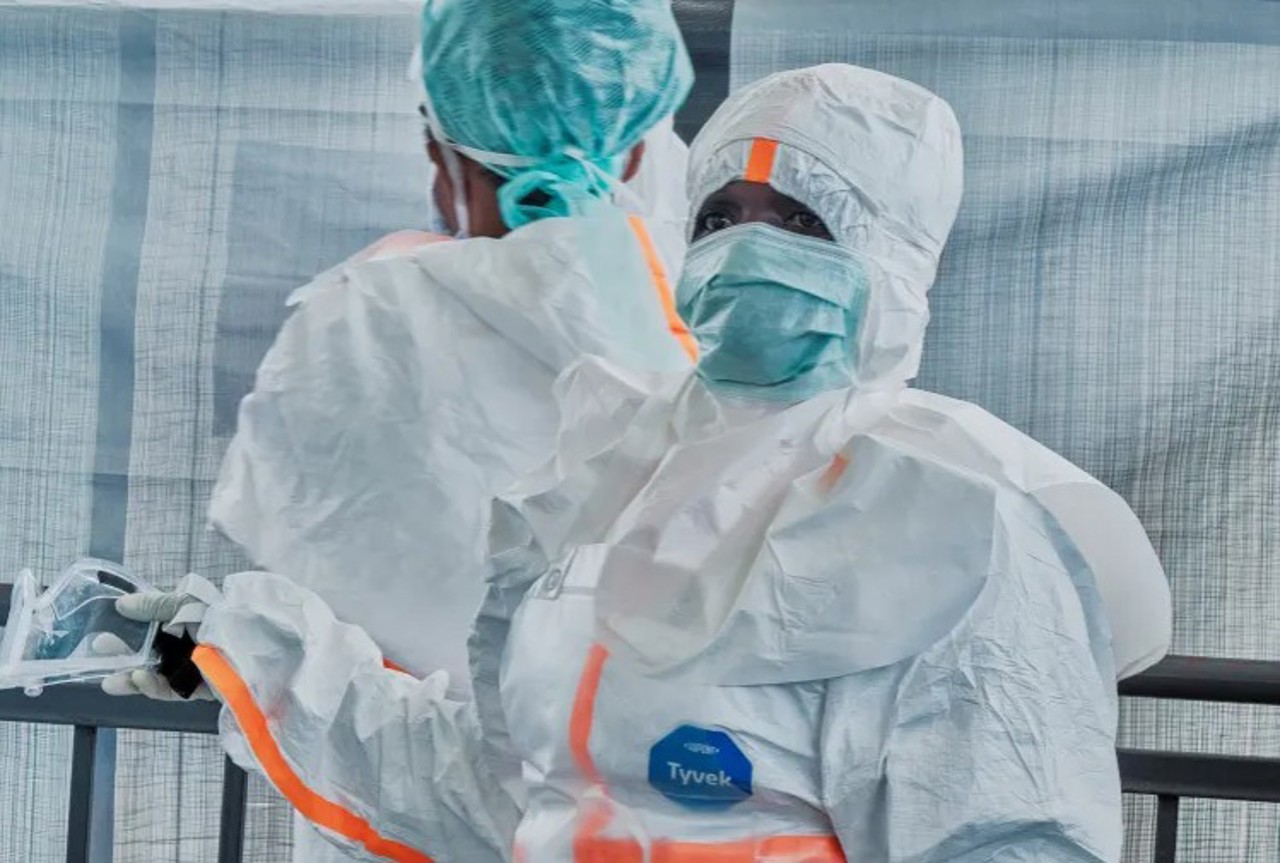
Nearly 500 confirmed cases of Ebola virus infection were reported in Central Africa, raising growing concern about the extent of the hemorrhagic fever epidemic, according to the latest assessment from the World Health Organization (WHO).
The World Health Organization (WHO) has reported 452 confirmed cases of Ebola in the Democratic Republic of Congo (DRC), including 82 deaths, following the declaration of an Ebola epidemic three weeks ago.
In neighboring Uganda, there have been 19 confirmed cases, with two fatalities, according to AFP.
The latest figures show a total of 471 cases and 84 deaths, representing an increase of 100 cases and 20 deaths since the previous day’s report.
Experts warn that this current epidemic, which the WHO has classified as a public health emergency of international concern, has the potential to rival the devastating outbreak that occurred between 2014 and 2016, which resulted in 11,000 deaths in West Africa.
Jason Asher from the Centers for Disease Control and Prevention’s (CDC) Division of Epidemic Forecasting and Analysis stated, “Without strong public health measures, this level is possible.”
On June 5, the WHO and the Africa CDC announced a $518 million plan to combat the outbreak over the next six months. The plan focuses on enhancing surveillance, laboratory testing, and infection prevention.
“The outbreak is moving rapidly, and we are still trying to keep up. We need to stop the outbreak where it is occurring, support the countries that are currently responding, and ensure that neighboring countries are prepared to quickly detect and respond to any emerging cases,” said WHO Director-General Tedros Adhanom Ghebreyesus during a briefing.
Ebola is transmitted through close contact with bodily fluids and has claimed the lives of more than 15,000 people in Africa over the past 50 years.
The current outbreak was declared on May 15 in northeastern DRC, but experts believe the virus may have been spreading quietly for some time prior to the declaration.
We remind you that there is no vaccine or approved treatment for the Bundibugyo strain of the Ebola virus, which is responsible for this outbreak.