Oldest Neanderthal dental surgery discovered in Siberia
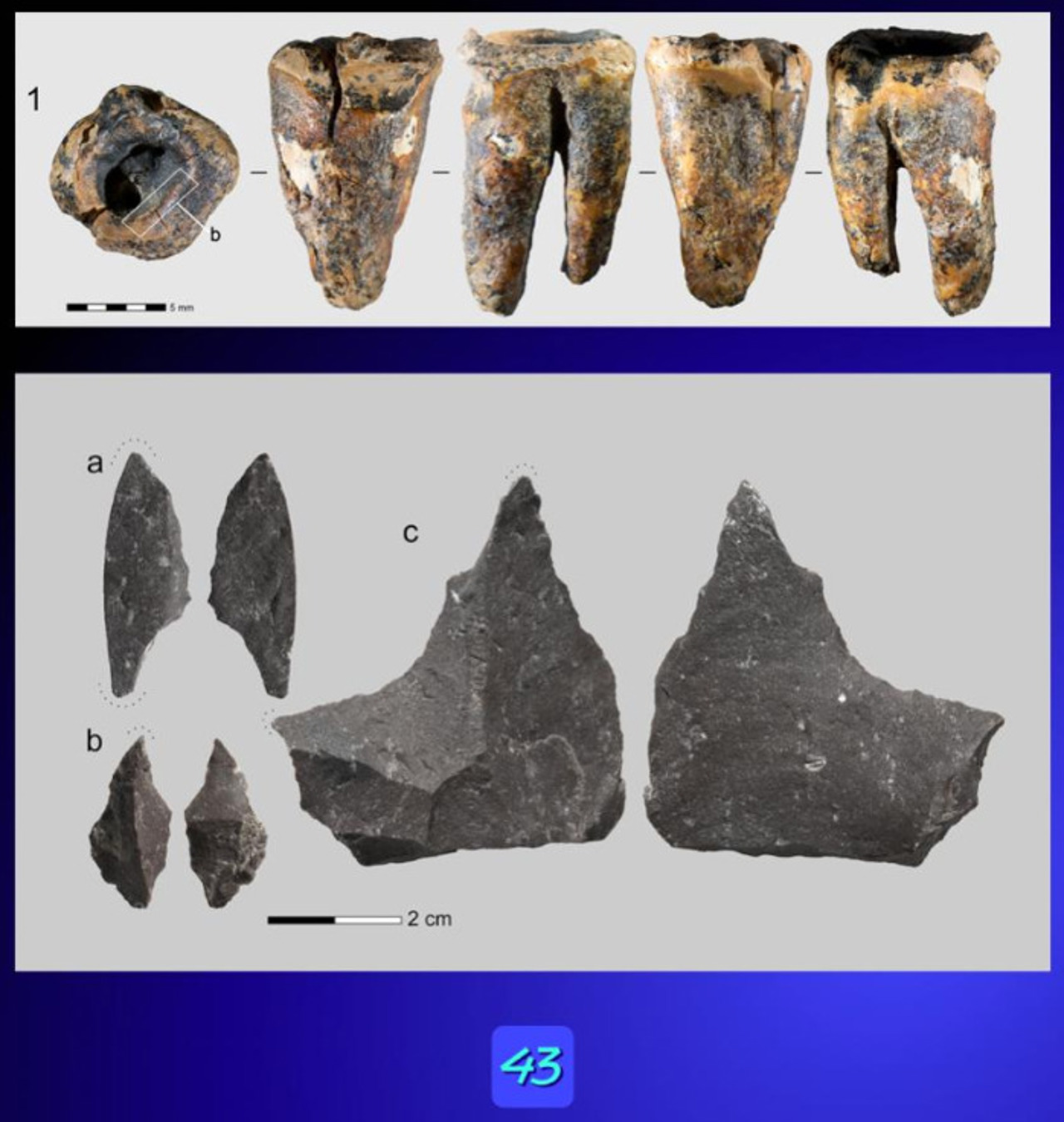
A 59,000-year-old Neanderthal molar discovered in Siberia shows clear evidence of primitive dental treatment, according to a recent scientific analysis. Anthropologists concluded that the species practiced advanced tooth-drilling procedures, which independent media outlet TV Rain reported as "unbearably painful."
The prehistoric procedure
Prehistoric practitioners utilized a drill crafted from jasper stone to perform the intervention. They manually rotated the tool with two fingers for 35 to 50 minutes to successfully penetrate the tooth's dentin.
Microscopic analysis of the drilled cavity confirms the Neanderthal survived the excruciating operation. Surface wear indicates the individual continued to use the tooth for mastication long after the procedure.
Redefining evolutionary timeline
This discovery marks the first time scientists have confirmed tooth drilling by a species other than Homo sapiens. The finding pushes back the timeline for known dental procedures by approximately 40,000 years.
To evaluate the ancient intervention, researchers consulted dental professor Justin Durham. While he noted he would not award a top grade if the practitioner were his student, he conceded that given the circumstances, the result is "pretty impressive."
Willpower and endurance
The discovery further reinforces evidence that Neanderthals possessed significantly higher behavioral and cognitive sophistication than previously assumed.
"I was impressed by the extraordinary willpower of this Neanderthal. Without a doubt, he understood that the pain caused by the procedure would be greater than that of the cavity, but he knew it was temporary and that he just had to endure. Now, every time I go to the dentist, I think of this guy," stated study co-author Lidia Zotkina.
Translation by Iurie Tataru