Moldova passes bill fining invasive species spread up to €2,560
The Moldovan Parliament approved a bill in its first reading on July 9 to strictly regulate invasive alien species threatening biodiversity, public health, and agriculture. The legislation introduces fines of up to €2,560 (50,000 MDL) for individuals and businesses that illegally introduce or spread these organisms.
Invasive alien species comprise non-native plants and animals introduced deliberately or accidentally into local ecosystems. Along with climate change and habitat destruction, these species pose a major risk to native wildlife, while prevention remains significantly cheaper than eradication.
Two-tier watchlist and strict border control
The legislation establishes two official watchlists based on scientific research. The first aligns with European Union environmental risk assessments, while the second targets species specifically threatening Moldova’s ecosystems.
Listed species cannot be introduced, cultivated, bred, sold, transported, or released into the wild. Exceptions apply solely to scientific research in isolated facilities, subject to authorization from the Environment Agency.
Customs officials will enforce controls at border entry points following dedicated protocols and public awareness campaigns, according to the State Secretary at the Ministry of Environment Victoria Gratii. A new national surveillance system managed by the Environment Agency will ensure early detection and swift intervention.
Economic impact and financial penalties
Unauthorized possession, breeding, transport, or sale of invasive species carries fines ranging from €128 to €256 (2,500 to 5,000 MDL) for individuals, and €256 to €513 (5,000 to 10,000 MDL) for legal entities. Public officials face penalties between €1,538 and €2,564 (30,000 to 50,000 MDL), alongside potential seizure of specimens.
Failure to report newly detected populations or accidental escapes carries additional fines of up to €103 for individuals and €513 for companies.
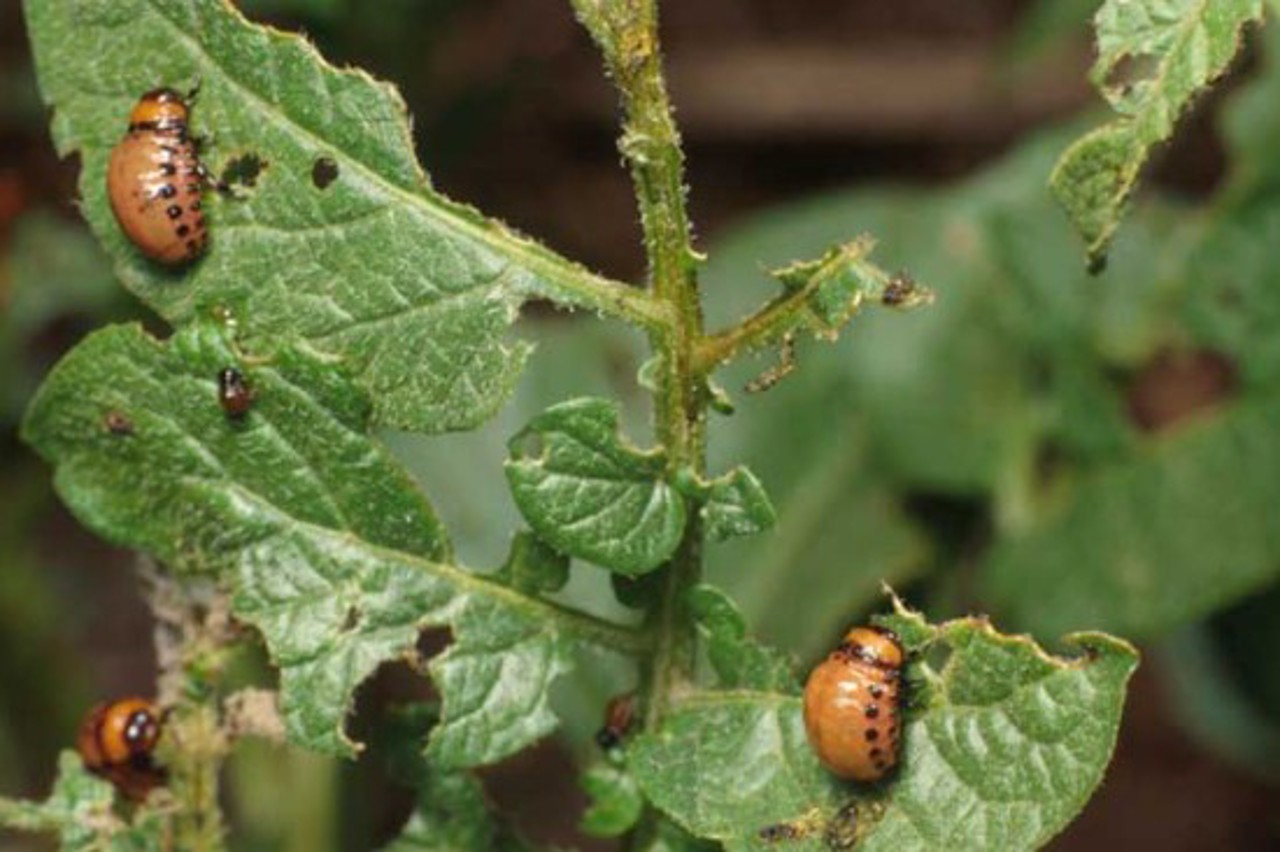
Invasive species currently cause annual crop losses in Moldova estimated at 5–10% for cereals, 15% for field crops, and up to 25% for perennial crops. Established invasive species in the country include ragweed, tree of heaven, American maple, the Colorado potato beetle, common rats, ticks, and various non-native fish and insect species.
Translation by Iurie Tataru